
By Brian Mullarvey
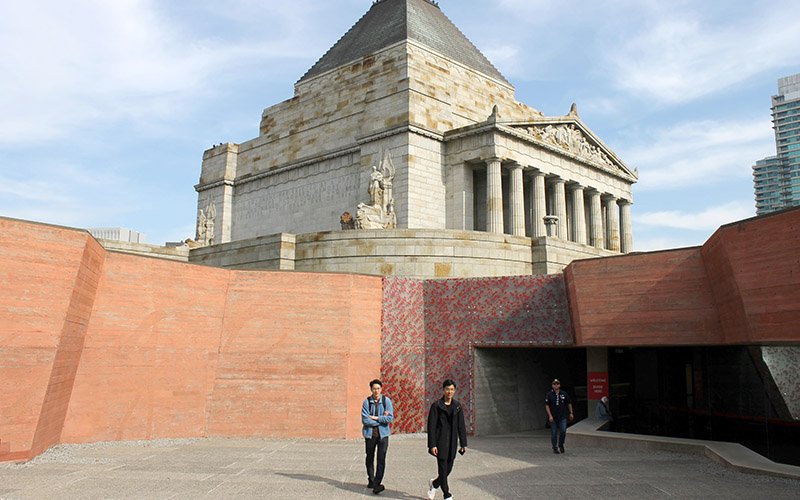
Over a dozen members of the Military History class took part in a rather unusual visit to the Melbourne Shrine of Remembrance this term.
Class member Bill Cherry had suggested a walk to the Shrine to view the memorials along the parklands bordering St Kilda Rd. To make the experience more memorable he requested Class Coordinator Gilbert Foster to ask some of the class members to give a brief talk at each location describing the memorial and a short potted history of the individual depicted.
Well-known memorials
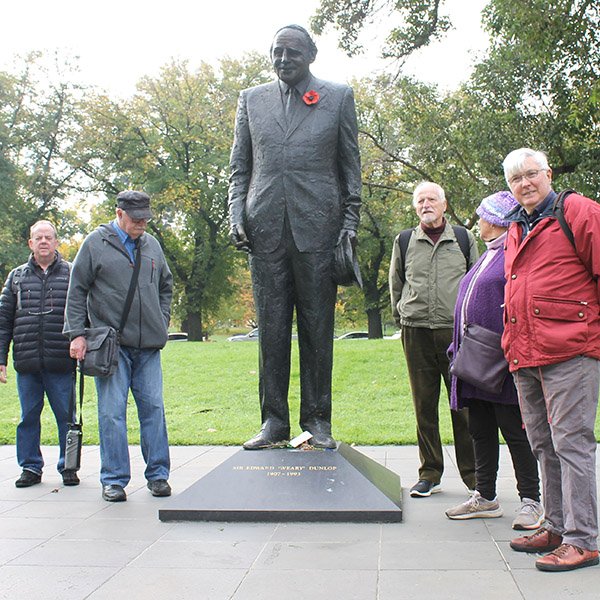
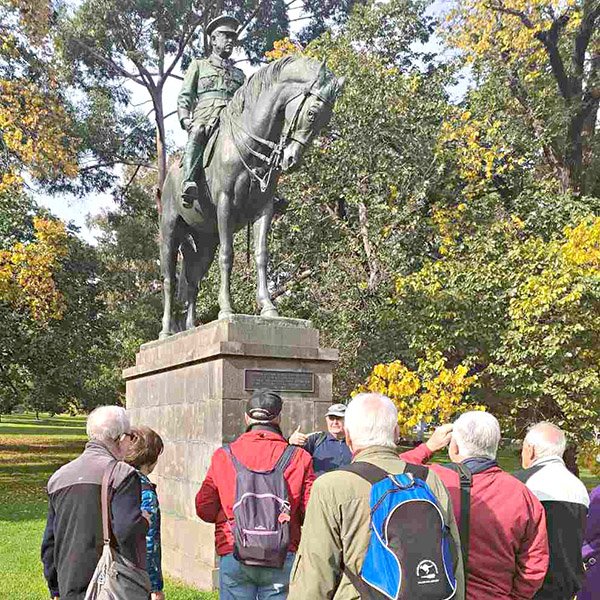
Many of the individuals featured on these memorials are well known to most senior members of the community: John Monash, Weary Dunlop, Field Marshall Blamey, Simpson and his donkey, and the Driver and Wipers (originally placed in front of the State Library), however, some are less well-known memorials and one or two would only be known to older generations.
Australian Turkish Friendship Memorial
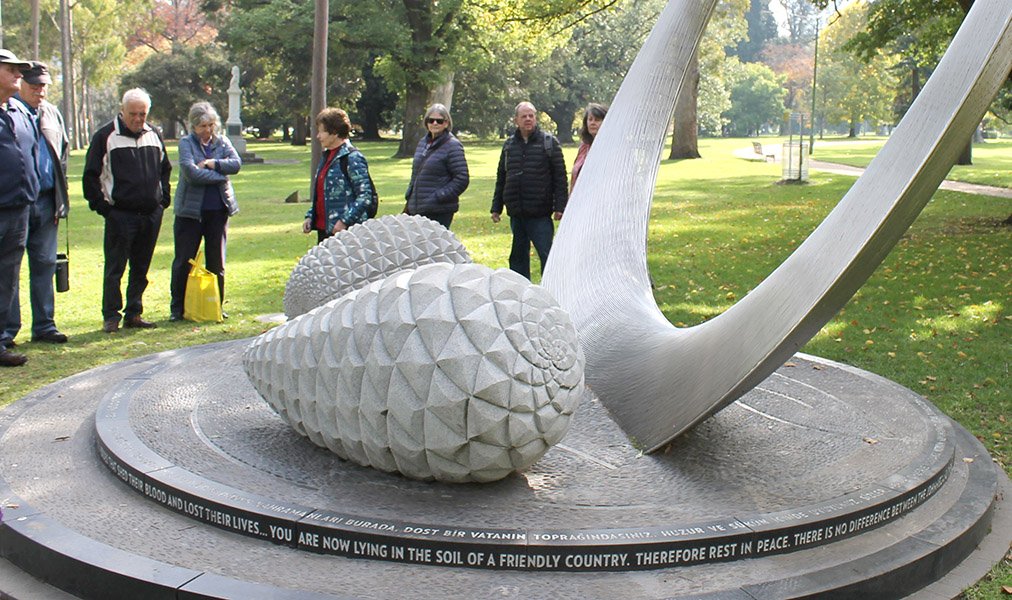
Two of the twelve memorials had not been seen by the majority of the group. Firstly, the Australian Turkish Friendship Memorial, which features a striking modern design and has inscribed around its base the same famous message Mustafa Kemal Ataturk conveyed to the mothers of fallen Australian soldiers. These words mirror those inscribed on the memorial at ANZAC Cove at Gallipoli.
Edith Cavell
The other memorial salutes Edith Cavell, a British nurse. Edith was celebrated for treating the wounded soldiers from both sides in WWI. She also helped some 200 Allied soldiers escape from German-occupied Belgium. Geraldine Starbrook, a class member, related Edith’s story touching on how she had been arrested and sentenced to death by a firing squad. In spite of international pressure for mercy, sadly the execution was carried out. On the night before her execution Edith is quoted as saying “Patriotism is not enough. I must have no hatred or bitterness towards anyone”. These words are inscribed on her statues in London and here in Melbourne.

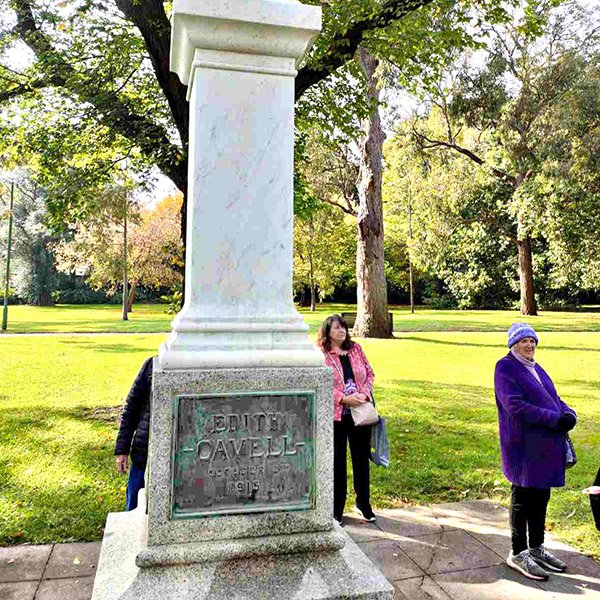
Shrine holds so much information
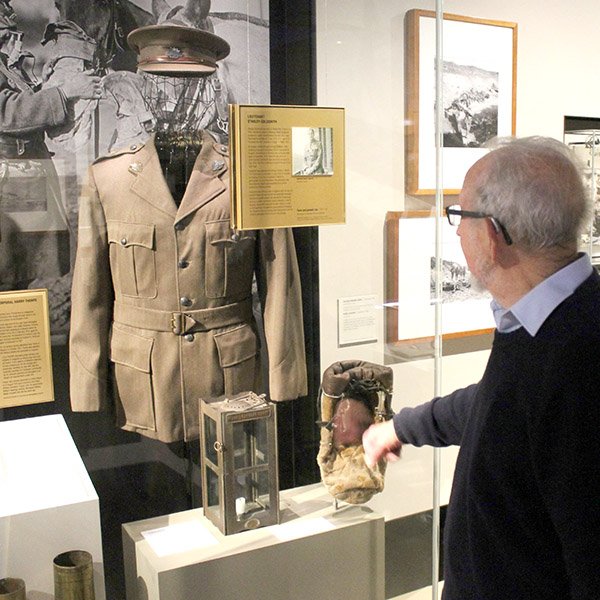
On arrival at the Shrine, Bill Cherry, (a class member and also a shrine guide for many years) pointed out the many partly hidden symbols built into the forecourt walls as well as the history of the excavated vaults.
If one were to read all the display notes on the exhibitions covering the different theatres where Australian soldiers have fought, a shrine visit would require many hours to complete.
A number of members resolved to return at some future time to more closely examine the display areas where their particular interests lay.